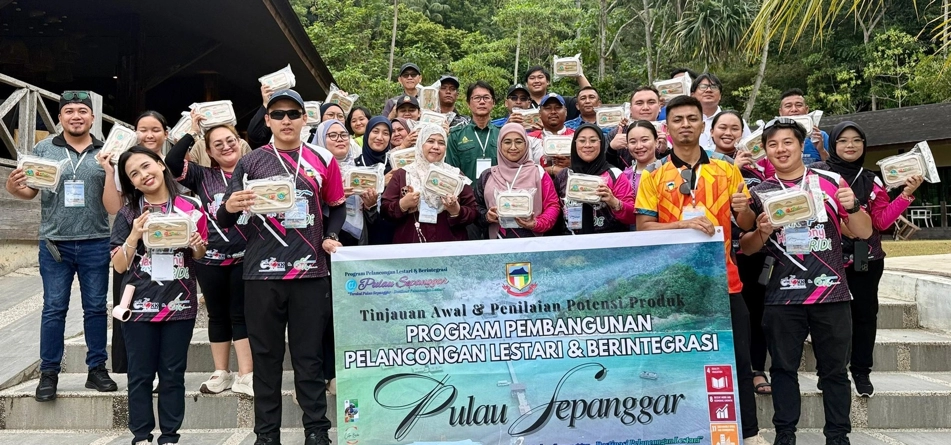
KOTA KINABALU — A total of 30 participants from various departments, government agencies, private sectors, and local community leaders recently took part in a preliminary survey and product potential assessment under the Sustainable and Integrated Tourism Development program, organized by Kota Kinabalu City Hall (DBKK) at Pulau Sepanggar.
A spokesperson for DBKK stated that the program aimed to identify and evaluate existing tourism resources that could be developed into new tourism products benefiting the local community.
“Among the key initiatives proposed are the establishment of ecological hiking activity routes, the sustainable tourism concept ‘Sepanggar Island Experience,’ educational tourism programs, scientific expeditions, ‘Community to Community’ activities, and the ‘Zero Waste Island: Waste to Wealth Campaign.’
“Tourism development on Pulau Sepanggar aligns with DBKK’s mission and vision of making Kota Kinabalu a livable, green natural resort city and a premier international tourism destination of choice.
“DBKK remains committed to strengthening sustainable tourism through initiatives that preserve the environment, encourage community involvement, and enhance the local economy,” said the spokesperson.
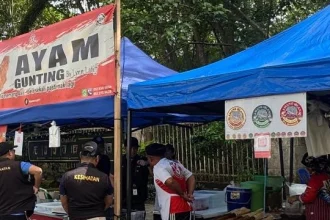
The two-day survey began with a program and safety briefing session, followed by site visits around Kampung Pulau Sepanggar. Participants also inspected the Eco Hiking Trail route at Mari-Mari Dive and Lodge and Dreamer’s Island, led by officers from the Forestry Department and the Land and Survey Department to determine proposed hiking routes. During the survey, viewpoint markers were placed, and trail risks were identified to ensure more structured and safer tourism product development.
Participants represented the Ministry of Tourism, Arts and Culture (MOTAC); the Ministry of Tourism, Culture and Environment (KePKAS); the Land and Survey Department; the Kota Kinabalu Forestry Department; the Sabah Tourism Board; Sabah Parks; resort operators on Pulau Sepanggar—Traverse Tours Sdn Bhd and Mari-Mari Dive and Lodge—as well as community training provider SwePP Academy.
Also involved were DBKK’s internal departments, including the Enforcement Department, Solid Waste Management Department, City Environmental Health Department, Human Resource Development Department, and DBKK Holdings Sdn. Bhd.