

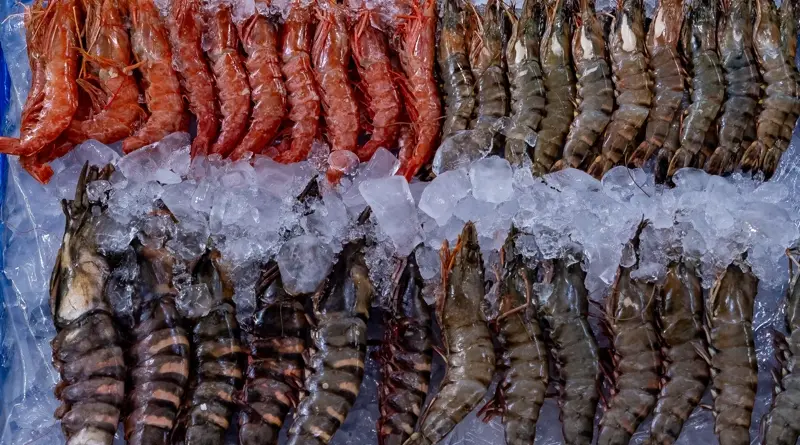
PUTRAJAYA — The national aquaculture and fisheries sectors are undergoing strategic adjustments following the latest bilateral trade developments between Malaysia and Thailand, which carry direct implications for the country’s seafood supply chain, particularly concerning seabass and shrimp commodities.
Department of Fisheries Malaysia (DOF) Director-General Datuk Adnan Hussain assured the public that there is no need to worry about the shrimp supply in the market, as current local production is sufficient to meet domestic needs.
“The country’s shrimp supply is stable and sufficient to meet local market demand. Any changes in import patterns will not affect food security because the domestic aquaculture industry has sufficient capacity to gradually fill the supply gap,” he said in a statement today.
The DOF noted that while the restriction on shrimp imports from Thailand is expected to affect domestic supply patterns, existing domestic production capacities are well-equipped to manage the increased market demand without compromising national food security. Datuk Adnan added that this situation opens doors for local operators to continuously increase production, strengthen the domestic supply chain, and reduce reliance on imported sources.
Conversely, changes in current trade policies present new challenges for the local seabass industry. Reduced access to its primary export market could potentially increase pressure on the domestic market through oversupply, which may negatively affect farm-level selling prices and the profit margins of aquaculture operators.
Historically, Malaysia recorded an impressive seabass export performance, with Thailand remaining the country’s main export destination. Between 2022 and 2024, the export value of Malaysian seabass to Thailand experienced a Compound Annual Growth Rate (CAGR) increase of 55.7 per cent, rising from RM38.21 million to RM92.64 million. During this period, the export volume also grew from 4,838 metric tonnes to 9,285 metric tonnes.
In 2024 alone, Thailand accounted for a massive 80.6 per cent of Malaysia’s total global seabass export value, which stood at RM114.99 million, illustrating a high level of market dependency on the neighboring country.
Despite these challenges, the DOF highlighted that the current developments create strategic opportunities to strengthen downstream industries by developing value-added products, expanding into new markets, and reducing import dependency. This approach is crucial to enhancing the resilience of the nation’s fisheries industry against global market uncertainties.
The DOF stated it will continue to monitor the current developments and reinforce strategic intervention measures. These include exploring alternative markets, strengthening the domestic supply chain, and providing continuous support to industry players to ensure the national fisheries sector remains competitive, sustainable, and resilient. Close cooperation between the government, industry players, and regional trading partners remains vital in securing seafood supply stability and the continued growth of the nation’s aquaculture industry.