
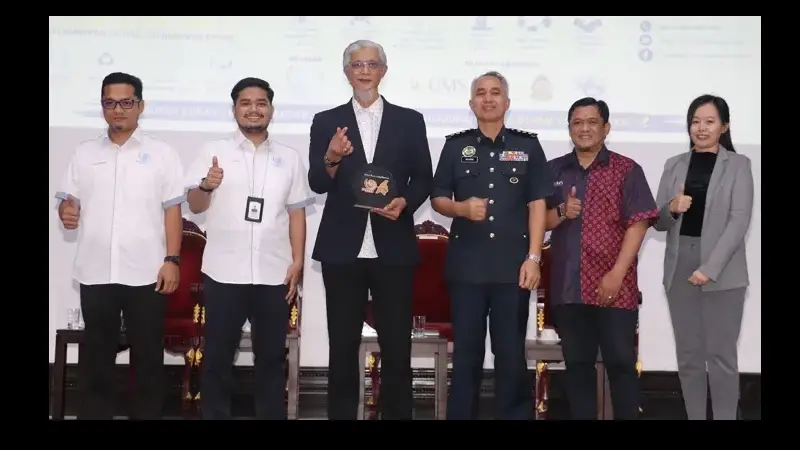
LABUAN — Marine debris is more than just a visual pollution issue as it poses a direct threat to maritime safety and the integrity of navigation, said Labuan Port Authority (LPA) General Manager Mizool Amir Mat Drus.
He said marine debris, particularly abandoned fishing nets or “ghost nets”, posed a high risk as they could become entangled in ships’ propellers, while plastic waste could also obstruct vessels’ engine cooling systems.
“These issues not only jeopardise the smooth operation of navigation but can also result in significant increases in infrastructure maintenance costs,” he said.
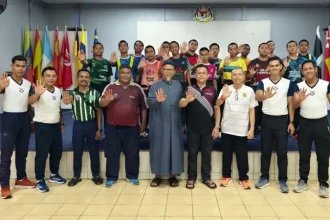
He said this when officiating the 2026 Federal Territory of Labuan Marine Debris Awareness Programme, themed “Clean Ocean, Sustainable Port”, at the Theatrette Hall, Universiti Malaysia Sabah Labuan International Campus (UMSKAL), here, today.
His speech was delivered by LPA Safety Officer Mohd Aslan Shah Mohd Azhar.
The programme also featured a forum with UMSKAL Director Prof Dr Shamsul Bahari Shamsudin, Labuan Department of Environment (DOE) Director Aliudin @ Din Atat @ Mohd Arsyid and Labuan Marine Department senior assistant director Dr Phemela K Francis as panellists.
The forum was moderated by Faculty of International Finance Labuan (FKAL) lecturer Samsulbahri Mohd Nasir.
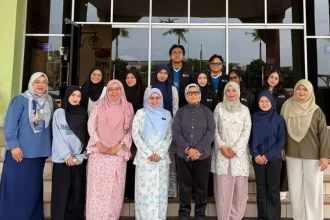
Also present were village chiefs, members of the Labuan Residents Representative Council, as well as UMSKAL staff and students.
Mizool Amir said the programme was expected to serve as a platform to bring together various stakeholders, from government agencies and community leaders to academics and youth.
He said the participation reflected a shared commitment to ensuring that the environment remained clean and well-preserved.
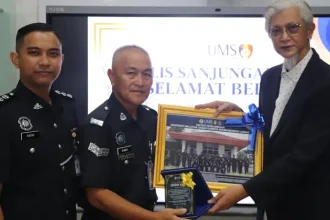
He also expressed his appreciation to UMSKAL for the synergy and strategic collaboration in organising the initiative.
He said the knowledge-sharing initiative was a manifestation of a resolution reached at the Labuan Federal Territory Heads of Department Meeting, aimed at formulating comprehensive solutions to marine waste management on the island.
“From a strategic perspective, it is widely recognised that Labuan serves as a strategically located maritime hub and port.
“However, the smoothness and efficiency of port operations are often affected by waste-related issues, particularly plastic waste that eventually accumulates in marine ecosystems,” he said.
At the international level, he said Malaysia’s commitment was reflected in its compliance with instruments of the International Maritime Organization (IMO) and the Basel Convention.
He said both international instruments called for a holistic approach to waste management, covering not only waste management on land but also strict protection of and prevention of pollution in the marine environment.
“This clearly demonstrates Malaysia’s firm commitment to implementing comprehensive waste management at all levels of governance,” he said.
In line with the aspiration for ecosystem sustainability, Mizool Amir said LPA was currently finalising Marine Waste Management Guidelines specifically tailored to operational requirements in Labuan.
He said the guidelines would include several key provisions, including full compliance with the Zero Discharge Policy, in line with international MARPOL requirements, which prohibit ships from discharging plastic waste into the sea.
The guidelines would also require shipping agents in Labuan to engage only contractors licensed by the DOE for the management of ship-generated waste.
At the administrative level, he said LPA was actively moving towards sustainability initiatives by reducing and eliminating the use of single-use plastics at its administrative premises and port terminals.
He urged the public to be more aware of environmental sustainability and to firmly reject all forms of pollution.
“Our success in curbing waste disposal at the grassroots level, including in households and urban areas, is a meaningful step towards protecting our shared marine heritage,” he said.