
JAKARTA — Indonesia is seeking to strengthen the global competitiveness of its halal culinary products by improving product quality, expanding international market access and leveraging the country’s rich culinary heritage, Bank Indonesia Deputy Governor Filianingsih Hendarta said.
She said Indonesia had significant potential to become a leading halal product producer and a global halal industry hub, supported by its diverse culinary traditions, a large domestic market and growing international recognition.
According to the State of the Global Islamic Economy (SGIE) Report 2025/2026, Indonesia ranked third globally in the halal food sector, up one place from the previous edition.
Data from Indonesia’s Coordinating Ministry for Economic Affairs showed that the country’s position was supported by 123 halal Mutual Recognition Arrangements (MRAs) with foreign halal institutions, covering 43 countries as of Oct 14, 2026.
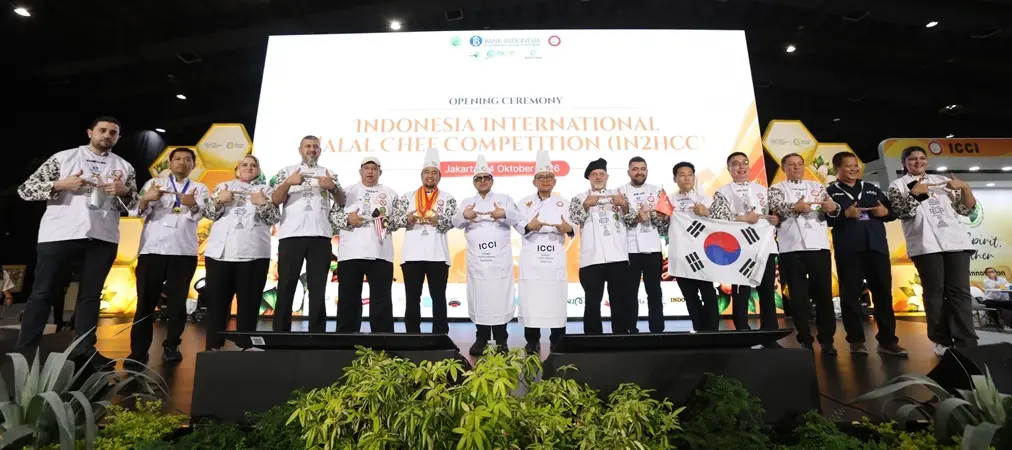
Filianingsih was speaking at the opening of the International Halal Chef Competition (IN2HCC), held in conjunction with the 13th Indonesia Sharia Economic Festival (ISEF) 2026 at the Jakarta International Convention Center (JICC) today.
The competition brings together micro, small and medium enterprises (MSMEs), professional chefs and culinary industry players from various countries to showcase Indonesia’s culinary heritage and promote halal culinary innovation, including the use of locally sourced ingredients.
The event was attended by Head of the Halal Product Assurance Agency (BPJPH) Ahmad Haikal Hasan, Islamic Chef and Culinary of Indonesia (ICCI) President Adie Miartadi, and several ambassadors.
To capitalise on the industry’s growth potential, Indonesia needs to improve MSME productivity, maintain consistent product quality and strengthen international market access, while ensuring compliance with halal standards and certification to build consumer confidence.
Adie highlighted the strategic role of skilled chefs in maintaining food quality, driving innovation and strengthening the competitiveness of halal culinary products.
He said developing chefs’ expertise in halal standards, supported by cross-sector collaboration and the creation of menus using halal ingredients, could generate business and employment opportunities while expanding the international reach of Indonesian culinary products.
The development of the halal culinary industry also requires an integrated ecosystem encompassing the availability of quality halal ingredients, the adoption of digital technology, and stronger product identity and branding.
Such an approach would help businesses maintain consistent standards, build consumer trust and generate sustainable added value.
Ahmad, meanwhile, emphasised that halal was relevant to everyone, not only Muslims, describing it as a matter of awareness rather than restriction.
He encouraged the public to embrace and support halal culinary products positively, noting that halal practices could strengthen consumer confidence and loyalty while supporting the broader halal product ecosystem.
Bank Indonesia supports the development of halal food and beverage MSMEs through its Indonesia Sharia Creative Industry (IKRA Indonesia) programme, which provides assistance to improve productivity and expand market access and business networks.
The central bank will continue to strengthen cooperation with the government, businesses, culinary communities and other strategic partners to develop a competitive halal culinary ecosystem.
These efforts are expected to create more business and employment opportunities while expanding the global presence of Indonesia’s halal culinary products.
ISEF 2026 runs from Oct 14 to 18 at JICC in Jakarta, featuring a range of activities to promote the country’s sharia economy and halal industry.
The festival also features the Halalicious area, offering hundreds of halal food and beverage options representing various regions across Indonesia.