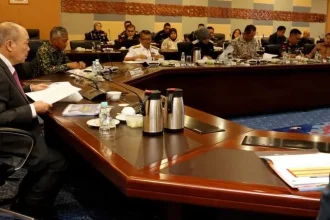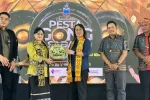

TENOM — The Sabah Ministry of Agriculture, Fisheries and Food Industry (MAFFI) and its relevant agencies have been urged to focus on five key approaches to address challenges faced by farmers, livestock breeders and fishermen.
Chief Minister Datuk Seri Panglima Hajiji Noor said the approaches involved strengthening assistance to industry players, improving agricultural infrastructure and basic facilities, expanding the adoption of modern technology, enhancing market access and supply chains, and building resilience to climate change and production risks.
He said the measures were necessary to address rising costs of fertilisers, animal feed, seeds, fuel and equipment, as well as inadequate infrastructure, limited cold storage facilities, transportation constraints and difficulties in accessing financing.
“I want the ministry and all relevant agencies to continue engaging directly with farmers, livestock breeders and fishermen on the ground, listening to their problems and finding appropriate solutions based on the circumstances in each district.
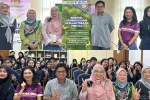
“Effective assistance is assistance that addresses real problems, reaches the targeted groups and produces measurable improvements,” he said in his speech at the opening of the Sabah State Farmers, Breeders and Fishermen’s Day 2026 celebration here today.
Deputy Chief Minister II and Finance Minister Datuk Seri Panglima Masidi Manjun delivered the speech on his behalf.
Hajiji said the state government was targeting an increase in Sabah’s self-sufficiency ratio (SSR) for paddy and rice from 22 per cent to 40 per cent by 2030 to strengthen food security and reduce dependence on external supplies.
He said boosting local food production had become a priority amid climate change, global market uncertainties, supply chain disruptions and rising input and transportation costs.
Besides paddy and rice, the government was also focusing on increasing the production of vegetables, fruits, meat, eggs, fish and other food products in high demand among the people.
“As a state with vast agricultural potential, Sabah must continue to strengthen its local food production capacity so that we are not overly exposed to fluctuations in external supplies and prices.
“We must be bold in making changes through the adoption of technology, strengthening infrastructure, developing human capital, expanding market access and increasing the value of agricultural produce,” he said.
Hajiji said agriculture would remain one of Sabah’s key economic growth drivers under the Sabah Maju Jaya (SMJ) 2.0 Development Roadmap for 2026-2030, alongside the industrial and tourism sectors.
He said the agriculture, livestock and fisheries sectors needed to move beyond traditional methods towards modern, efficient, productive and market-oriented systems to improve the incomes of industry players.
The state government also wanted local agricultural produce to meet domestic demand while gaining access to markets in other states and overseas, subject to the required quality and food safety standards.
“The success of the agrofood sector must be measured not only by production volume, but also by improvements in the incomes of industry players, the stability of food supplies and the well-being of their families,” he said.
He also called for the livestock and fisheries sectors to be strengthened through improved breeding quality, better fish landing facilities and the expansion of seafood processing and marketing activities.
Hajiji said greater efforts were needed to encourage young people to enter the agrofood industry, which had significant potential to create jobs, generate wealth and stimulate rural economies.
He added that the government would continue to promote modern technology, innovation and digitalisation to increase productivity while ensuring that smallholders, traditional livestock breeders, coastal fishermen and interior communities were not left behind.
“Agriculture is a business industry capable of generating new wealth and creating extensive employment opportunities.
“Let us work together to build a more modern agricultural sector, a more productive livestock industry and a more sustainable fisheries sector,” he said.