

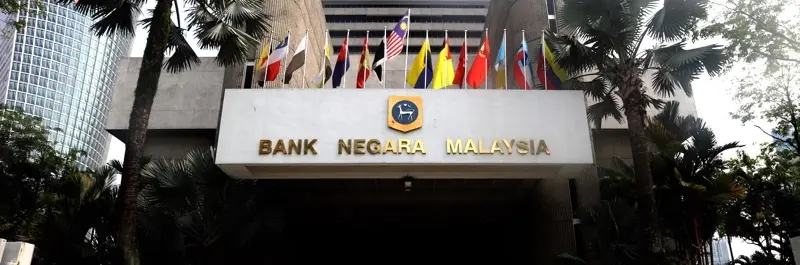
KUALA LUMPUR — Malaysia’s headline inflation edged higher to two per cent in May 2026 from 1.9 per cent in April, while core inflation remained stable at two per cent, according to Bank Negara Malaysia (BNM).
In its Monetary and Financial Developments report for May 2026 released today, the central bank said the slight increase in headline inflation was largely due to price developments in non-core items, particularly vegetables and electricity.
It said the increase in electricity prices reflected the imposition of a surcharge following higher generation costs.
“However, these pressures were partly offset by lower inflation for domestic air travel and retail fuel, particularly RON97 and diesel,” it said.
BNM said the Manufacturing Industrial Production Index registered higher growth of 8.3 per cent in April 2026 compared with 5.5 per cent in March.
It said export-oriented clusters expanded by 8.5 per cent, driven by higher production of electrical and electronics products as well as primary-related products such as refined petroleum and chemical products.
Domestic-oriented clusters also strengthened to eight per cent from 2.8 per cent in March, supported by higher production of motor vehicles, food processing products and construction-related materials.
BNM said credit to the private non-financial sector grew by 6.4 per cent in May compared with 5.8 per cent in April, driven mainly by businesses.
This was reflected in higher growth of outstanding corporate bonds at eight per cent and outstanding business loans at seven per cent.
Business loan growth increased, mainly for working capital purposes, while growth in investment-related loans remained broadly steady.
Household loan growth was sustained at 5.5 per cent amid steady loan growth across most purposes.
The central bank said banks’ asset quality remained intact, with gross and net impaired loans ratios broadly unchanged at 1.4 per cent and one per cent, respectively, underpinned by stable impairments and sustained loan growth.
It said the banking system continued to record healthy liquid asset buffers, with an aggregate Liquidity Coverage Ratio of 149.2 per cent in May compared with 152.8 per cent in April.
On financial markets, BNM said global markets continued to be influenced by uncertainties surrounding the Middle East conflict and shifts in expectations over the United States Federal Reserve’s policy rate path.
However, it said sentiment improved during the month amid optimism over a potential resolution to the conflict.
Amid these global developments, the ringgit appreciated slightly by 0.1 per cent against the US dollar, broadly outperforming other regional currencies, which declined by an average of 0.7 per cent.
The 10-year Malaysian Government Securities yield remained broadly stable, declining marginally by one basis point, supported by domestic investor demand.
Meanwhile, the FBM KLCI declined by 2.3 per cent amid non-resident outflows.