
KOTA KINABALU — Sabah’s electricity supply system has shown significant improvement since the state assumed regulatory control over electricity and renewable energy, said Chief Minister Datuk Seri Panglima Hajiji Haji Noor.
He said the state’s generation reserve margin, which stood at only eight per cent in 2024, had risen to 19 per cent as of August and is expected to reach 26 per cent by the end of this year.
“Previously, we had to wait four to five years for our applications to be approved by the Federal Energy Commission, but since we took over, we can approve them ourselves and improve our electricity supply system more quickly,” he said.
Hajiji said the System Average Interruption Duration Index (SAIDI) had also improved significantly, from 598 minutes in 2023 to 226 minutes as of July this year.
He said the improvement was the result of various ongoing initiatives to strengthen the electricity grid.
“Efforts to strengthen Sabah’s energy sector must be comprehensive, including ensuring that transmission and distribution infrastructure is ready to improve system reliability and resilience,” he said.
Hajiji said this was in line with the Sabah Energy Roadmap and Master Plan (SE-RAMP 2040), as well as the state’s target of achieving a 50 per cent renewable energy capacity mix by 2035.
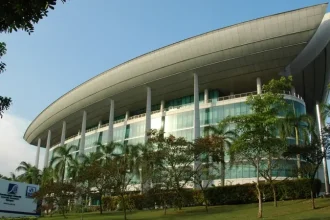
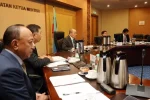
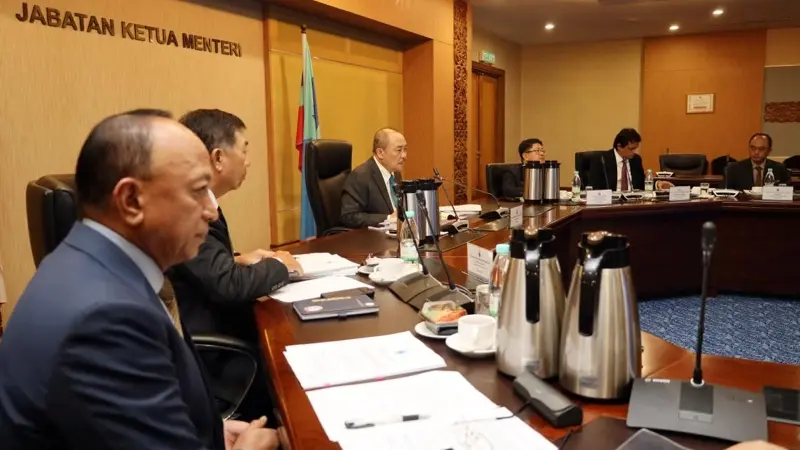
He said this at the Sabah Energy Council (MTS) meeting at Menara Kinabalu here today.
Sabah assumed regulatory control over electricity and renewable energy after the state Legislative Assembly passed the Electricity Supply Enactment 2024, Sabah Renewable Energy Enactment 2024 and ECoS Amendment Enactment 2024 on Jan 3, 2024.
A year earlier, Sabah had assumed regulatory control over its gas supply.
Among the matters discussed at today’s MTS meeting were the review of the Long-Term Demand Forecast Study (LTDF2026) and the Power Development Plan (PDP2026) for the next 10 years to ensure capacity planning continues to meet electricity demand.
To strengthen electricity supply on the east coast, Hajiji said the proposed development of gas-fired power plants in Sandakan and Tawau was also being planned to replace high-cost diesel and Medium Fuel Oil (MFO)-based power plants.
“The addition of Large-Scale Solar (LSS) capacity and Battery Energy Storage Systems (BESS), implemented through a competitive bidding process, will also support efforts to strengthen the generation system.
“LSS and BESS are also specifically aimed at improving the reliability of electricity generation on the east coast,” he said.
Hajiji said every decision by the Sabah Energy Council must be made in a balanced and prudent manner, with priority given to security of supply, optimal system costs, industry requirements and consumers’ interests in ensuring affordable electricity rates.
He said the state government, through the Energy Commission of Sabah (ECoS) as the regulatory body for the state’s energy sector, would continue to monitor the implementation of approved projects to ensure they were completed on schedule and delivered tangible improvements to system reliability.